It’s here. It’s just not evenly distributed.
As part of writing the O’Reilly book on Scaling AI Adoption in Engineering, I’ve spent the last year digging into the processes, practices and structure of the engineering orgs at Anthropic, OpenAI, Shopify, Coinbase, Ramp, Block and many more. This isn’t a survey talk. It’s a small number of deep conversations with the leaders furthest ahead, and I’ll share what’s actually changing in the structure of those orgs. There’s still plenty of experimentation, but good practices are starting to emerge for structuring and managing your engineering org in 2027 and beyond.
Should we all be builders or Members of Technical Staff? What’s the size and structure of the ideal agentic engineering team, and what are its rituals? How does engineering leadership change as we re-envision the software development lifecycle to be agent first? What makes a good agentic engineer, how do we attract and vet the best of them, and what’s the future for junior developers?
You’ll walk out with specific actionable strategies from the companies that are getting the very best from their agentic developers, benchmarks for what kind of pace you should expect from an agentic engineering org, a realistic understanding of the challenges that still exist and the preconditions required to maximize the reliable value you can get from your token burn, and a sense of the forces that will drive increasing automation in software development over the next couple of years.
Speaker
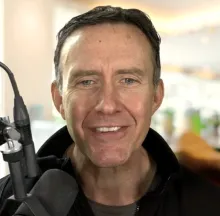
Peter Bell
Founder & CTO of Gather.dev, Host of the O'Reilly CTO Hour and the CNCF Executive Summits at KubeCon
Peter Bell helps CTOs adopt agentic engineering. He’s writing the O’Reilly book on Scaling AI Adoption in Engineering, hosts the O’Reilly CTO Hour, and runs the CTO summits at KubeCon for CNCF. He runs invite-only communities for senior engineering leaders through Gather.dev, and he’s regularly abusing 10+ Max plans to run agentic pipelines for research, content, community and code generation on an orchestrator and systems of record he built himself.


